How I Finally Found Balance Without Burning Out
For years, I chased productivity like it was the finish line of a race I couldn’t win. Work piled up, my energy crashed, and 'me time' vanished. Sound familiar? I tested small, realistic shifts—not grand overhauls—and saw real change. This isn’t about doing more; it’s about reclaiming your life. If you’re tired of choosing between career and calm, this journey might be what you need. The truth is, burnout doesn’t happen overnight. It creeps in through late nights, missed meals, and the quiet erosion of personal time. What begins as dedication can become depletion. But the good news? Balance isn’t reserved for those with flexible jobs or empty calendars. It’s built through awareness, intention, and small, consistent actions. This is not a story of perfection, but of progress—of learning how to work well without losing yourself in the process.
The Breaking Point: When Hustle Culture Backfires
In today’s fast-paced world, being busy has become a status symbol. Many wear exhaustion like a badge of honor, believing that the more they do, the more they matter. Emails are answered at midnight, weekends are spent catching up on tasks, and vacations are planned around conference calls. The pressure to stay constantly connected is real, especially for women juggling careers, households, and family responsibilities. The idea that productivity equals worth has become deeply ingrained, but this mindset comes at a steep cost—physical fatigue, emotional strain, and a growing sense of emptiness.
Chronic overwork doesn’t just make you tired—it rewires your nervous system. When stress becomes the norm, the body remains in a state of low-grade alertness, releasing cortisol and adrenaline even during rest. Over time, this leads to diminished focus, irritability, trouble sleeping, and weakened immunity. Research from the World Health Organization now classifies burnout as an occupational phenomenon, characterized by feelings of energy depletion, increased mental distance from one’s job, and reduced professional efficacy. It’s not simply being overworked; it’s being emotionally and physically drained by unrelenting demands.
Consider the all-too-familiar scenarios: eating dinner standing over the kitchen counter while checking work messages, skipping a child’s school event because of a deadline, or lying awake at night replaying conversations from the day. These moments may seem minor in isolation, but they accumulate. The problem isn’t effort—it’s the absence of recovery. The body and mind need rhythm, not relentless output. When there’s no pause, no true reset, even meaningful work begins to feel like a burden. Recognizing this pattern is not a sign of failure; it’s the first step toward change.
Burnout is not a personal flaw. It’s a signal—a loud, persistent warning that something needs to shift. It tells you that your current rhythm is unsustainable. And the solution isn’t to push harder, but to step back and ask: What am I protecting? What am I sacrificing? For many women, especially those in caregiving roles, the instinct is to put others first. But long-term well-being requires that you include yourself in that circle of care. Balance doesn’t mean doing less; it means doing what matters with greater presence and less strain.
Rethinking Work-Life Balance: It’s Not About Equal Hours
Most people imagine work-life balance as a perfect split—eight hours for work, eight for rest, eight for sleep. But life doesn’t operate in neat thirds. Some weeks demand more from your career; others call for deeper family presence. The traditional model of balance often sets people up for guilt, especially when they can’t meet an impossible standard of equal time. The real goal isn’t symmetry—it’s sustainability. It’s about creating a life where work doesn’t drain your spirit, and personal time isn’t constantly interrupted by professional demands.
A more effective approach is integration. Instead of trying to separate work and life like oil and water, think of them as elements that can coexist with intention. This means managing energy, not just time. You can spend eight hours at work and feel energized if the tasks are meaningful and your boundaries are clear. Conversely, you can be 'off the clock' but still feel drained if your mind is cluttered with unresolved work thoughts. The key is mental presence. When you’re with your family, be fully there. When you’re working, focus without distraction. This kind of alignment reduces the friction that leads to burnout.
Consider the metaphor: It’s not the weight that breaks you—it’s how you carry it. A heavy load carried with poor posture or without rest will exhaust you quickly. But the same weight, distributed wisely and lifted with support, becomes manageable. In the same way, a full schedule doesn’t have to lead to collapse if you have the right tools—boundaries, recovery practices, and self-awareness. Balance, then, is not a fixed state but a dynamic practice. It shifts with your seasons—busy periods followed by rest, effort followed by renewal.
For many women, the pressure to 'have it all' adds another layer of stress. But having it all doesn’t mean doing everything at once. It means making choices that reflect your values. Sometimes that means saying no to a work request so you can attend a family dinner. Other times, it means protecting your focus during the day so you can truly disconnect at night. These decisions aren’t about perfection—they’re about alignment. When your actions reflect what matters most, balance becomes less about time and more about integrity.
The Power of Micro-Boundaries (And Why They Actually Work)
Big changes often fail because they demand too much too soon. Declaring, 'I’ll never check email after 6 PM!' sounds noble, but without a plan, it’s easy to slip back into old habits. That’s where micro-boundaries come in—small, realistic limits that protect your time and energy without requiring a complete lifestyle overhaul. These are not grand declarations; they are quiet acts of self-respect. Turning off work notifications after 7 PM, closing your laptop before dinner, or setting a hard stop time for tasks—these tiny shifts create space where calm can grow.
Micro-boundaries work because they build self-trust. Each time you honor a small limit, you send a message to yourself: 'I matter.' Over time, these moments accumulate into a stronger sense of control. Psychology calls this the 'small wins' effect—achieving minor goals boosts confidence and motivation, making larger changes more achievable. Unlike drastic rules that often lead to rebellion, micro-boundaries are sustainable because they fit into real life. They don’t ask you to quit your job or abandon responsibilities—they simply ask you to protect your peace in practical ways.
Take the example of a working mother who sets a rule: no phones during family meals. This single boundary creates a predictable rhythm of connection. No one is distracted by alerts, and conversations flow more naturally. Over time, this becomes a cherished routine. Another example: a professional who blocks 30 minutes midday for a real lunch—no emails, no calls, just food and a short walk. This pause prevents the afternoon energy crash and improves focus for the rest of the day. These aren’t heroic acts—they’re intentional choices that honor well-being.
The science behind micro-boundaries is clear. Constant decision-making depletes mental energy, a phenomenon known as decision fatigue. When you automate healthy choices—like setting a daily end time for work—you conserve willpower for what truly matters. Additionally, protecting your attention reduces cognitive load, making it easier to think clearly and respond thoughtfully. Over time, people who practice micro-boundaries report better sleep, reduced anxiety, and a greater sense of control. They aren’t doing less—they’re doing it with more clarity and less stress.
Energy Mapping: Align Tasks with Your Natural Rhythms
Not all hours are created equal. Your body follows a natural rhythm called the circadian cycle, which influences alertness, mood, and cognitive performance throughout the day. Ignoring this internal clock leads to frustration—trying to write a report at 4 PM when your energy is crashing, or forcing a workout at 6 AM when your body resists. But when you align your tasks with your natural energy patterns, work becomes easier, and rest becomes more restorative.
Most people experience three phases in their day: peak, dip, and recovery. The peak is when mental clarity and focus are highest—usually in the late morning for many adults. This is the ideal time for high-concentration tasks like writing, problem-solving, or planning. The dip comes in the early afternoon, often between 1 PM and 3 PM, when energy naturally declines. This is not a sign of laziness—it’s biology. Pushing through this phase with caffeine or sheer willpower only leads to burnout. Instead, use this time for low-demand tasks: answering routine emails, organizing files, or scheduling meetings.
The recovery phase typically occurs in the late afternoon or early evening. Energy rises again, but it’s different from the morning peak—it’s often more creative and social. This is a good time for collaborative work, brainstorming, or light administrative tasks. By matching your activities to your energy levels, you work with your body instead of against it. You don’t need to force productivity; you simply channel it at the right times.
Start by observing your own rhythm for a week. When do you feel most alert? When do you hit a wall? Use a simple log to track your energy levels every few hours. Once you identify your patterns, adjust your schedule accordingly. Move important tasks to peak times, save routine work for the dip, and use recovery hours for connection or creative thinking. This simple shift doesn’t require extra time—it just uses your existing time more wisely. The result? Less effort, better results, and more energy left for life outside work.
The 5-Minute Reset: Quick Tools to Recharge During the Day
In a world that glorifies nonstop activity, taking a break can feel like a luxury—or even a failure. But science shows that brief pauses are not a waste of time; they are essential for sustained performance. Just as a phone needs to recharge, so does the human brain. Without regular resets, mental clutter builds up, focus fades, and stress accumulates. The good news? Recovery doesn’t require long retreats or hours of meditation. Even five minutes of intentional pause can restore clarity and calm.
One of the most effective tools is box breathing—a simple technique used by healthcare professionals and athletes alike. Inhale for four counts, hold for four, exhale for four, hold for four. Repeat for five minutes. This practice activates the parasympathetic nervous system, slowing the heart rate and reducing stress hormones. It can be done at your desk, in your car, or even in a restroom stall. No one needs to know—yet the effect is profound. Within minutes, your mind shifts from reactive to reflective.
Another powerful reset is mindful walking. Instead of rushing from meeting to meeting, take a short walk—up the stairs, around the block, or even down the hallway. Focus on your steps, your breath, the sensation of movement. This isn’t about exercise; it’s about presence. Studies show that brief physical movement improves circulation, boosts mood, and enhances creativity. Pair it with a hydration check—drink a glass of water—and you’ve addressed two key needs at once.
Other quick resets include closing your eyes for a minute, doing gentle shoulder rolls, or listening to a calming song. The key is consistency. Schedule these pauses like appointments—after a meeting, before starting a new task, or during lunch. Treat them as non-negotiable, just like any other important commitment. Over time, these micro-moments of recovery become anchors in a busy day. They don’t eliminate stress, but they prevent it from building into overwhelm. And that makes all the difference.
Tech as a Tool, Not a Trap
Technology has transformed how we work and connect, but it has also blurred the lines between professional and personal life. Smartphones keep us accessible 24/7, email pings invade quiet moments, and video calls extend work into evenings. For many women, the expectation to be always available—both at work and at home—creates a sense of constant pressure. The result? No true downtime. Even when you’re not working, your brain is on alert, waiting for the next message.
The solution isn’t to abandon technology, but to use it with intention. Start by setting communication boundaries. Use scheduling features to send emails during work hours only, even if you write them at night. This prevents colleagues from feeling pressured to respond immediately. Activate 'focus mode' or 'do not disturb' during deep work sessions or family time. These features silence non-essential notifications, reducing distractions and mental clutter.
Consider setting app limits for social media or email. Many devices now allow you to set daily time caps, helping you stay aware of usage. More importantly, create tech-free zones in your home—such as the bedroom or dinner table. These spaces become sanctuaries for rest and connection. When devices are out of reach, conversations deepen, sleep improves, and stress decreases. You don’t need to go completely offline; you just need to reclaim control.
Another helpful strategy is to charge your phone outside the bedroom. This simple act eliminates the temptation to check messages before sleep or upon waking—two critical times for mental reset. Instead, start and end your day with intention: journaling, stretching, or simply sitting with a cup of tea. These quiet moments set the tone for a calmer, more centered day. Technology, when used wisely, can support your goals. But left unchecked, it can erode your boundaries. The goal is balance—using tools to enhance your life, not dominate it.
Building a Sustainable Routine: Small Steps, Big Shifts
Lasting change rarely comes from dramatic transformations. More often, it grows from small, consistent choices. Trying to overhaul your entire schedule at once—meditating daily, exercising for an hour, cutting out all screen time—sets you up for disappointment. The pressure to be perfect leads to all-or-nothing thinking, and when you miss one day, it’s easy to give up entirely. A more effective approach is to start small and build gradually.
Choose one micro-habit to focus on for the next two weeks. It could be setting a hard stop time for work, taking a real lunch break, or practicing five minutes of box breathing each day. The key is consistency, not intensity. Do it at the same time, in the same way, until it becomes automatic. Once it feels natural, add another small change. This method, supported by behavioral science, creates lasting habits without overwhelm.
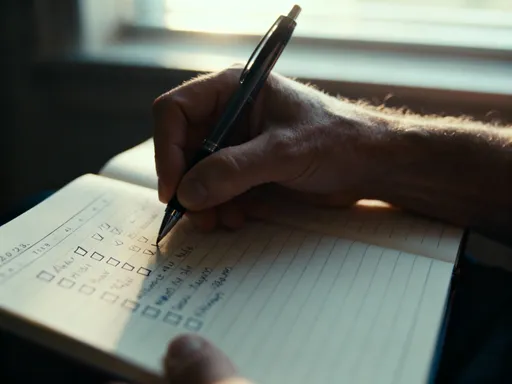
Keep a simple journal to track your progress. Note how you feel—more focused, less anxious, better rested. These subtle shifts are signs of real change, even if they’re not dramatic. Celebrate them. Over time, you’ll notice patterns: fewer evening headaches, improved mood, stronger focus during work hours. These are not coincidences—they are the results of intentional living.
Remember, progress isn’t linear. Some days will be easier than others. You might skip a reset or check email after hours. That’s okay. What matters is your overall direction. Each time you return to your intention, you strengthen your resilience. Balance isn’t about never slipping up—it’s about returning, again and again, to what supports your well-being. And that is a practice worth committing to.
True balance isn’t about perfection—it’s about presence, protection, and small, steady choices. You don’t need to quit your job or meditate for hours. What works is what lasts: realistic habits that fit your life. When you stop measuring success by exhaustion, you open space for clarity, calm, and real productivity. This isn’t just lifestyle improvement—it’s a quiet revolution, one boundary at a time.